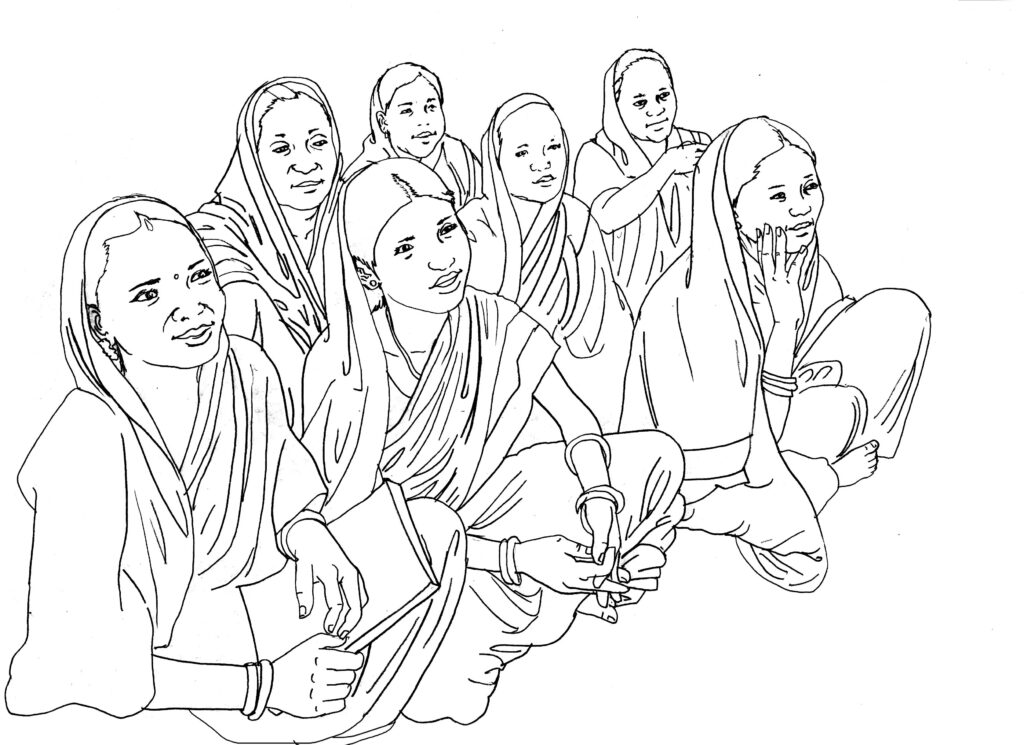
Theme: “Give to Gain” – When Women Rise, the World Rises
Every year on March 8, the world celebrates International Women’s Day — a day not just of celebration, but of reflection, accountability, and action.
The theme for International Women’s Day 2026 — “Give to Gain” — carries a powerful yet simple message:
When we give opportunities, respect, safety, education, health, and voice to women, society gains progress, prosperity, stability, and wellbeing.
This is not charity.
This is not favor.
This is smart social investment.
What Does “Give to Gain” Really Mean?
“Give to Gain” is based on a universal truth supported by decades of global evidence:
- When girls are educated → economies grow.
- When women are financially empowered → families become healthier.
- When women participate in leadership → policies become more inclusive.
- When mothers are healthy → child survival improves.
Giving women their rightful space is not loss for men — it is gain for society.
What Happens When We “Give”?
1. Give Education → Gain Economic Growth
Countries that invested heavily in girls’ education have seen measurable economic returns.
- In Bangladesh, girls’ secondary education expansion significantly reduced child marriage and improved workforce participation.
- In Rwanda, high female political participation has been associated with progressive social reforms.
- The World Bank consistently reports that each additional year of schooling for girls increases future earnings by up to 10–20%.
Give schooling → Gain national income.
2. Give Healthcare → Gain Stronger Generations
In India, maternal mortality has declined significantly over the past decade due to programs like:
- Janani Suraksha Yojana
- Pradhan Mantri Matru Vandana Yojana
When safe delivery services are strengthened:
- Fewer mothers die.
- Babies survive.
- Families avoid catastrophic health expenditure.
Give healthcare → Gain healthy families.
3. Give Financial Inclusion → Gain Stability
Self-help groups across rural India have transformed lives.
Under National Rural Livelihood Mission:
- Women receive microcredit.
- They start small enterprises.
- Household nutrition and schooling improve.
Urban India shows similar examples:
- Women entrepreneurs in cities like Bengaluru and Mumbai are leading startups in tech, health, and social enterprises.
- Women-led SHGs in states like Kerala have created sustainable community businesses.
Give access to capital → Gain community resilience.
4. Give Leadership Space → Gain Better Governance
Countries like Iceland consistently rank high in gender equality and social development.
In India, reservation of seats for women in Panchayati Raj institutions has:
- Increased attention to drinking water.
- Improved sanitation facilities.
- Focused on maternal and child welfare.
Give representation → Gain inclusive development.
Urban India: What Can We Give?
Urban women face unique challenges:
- Workplace glass ceilings
- Safety concerns
- Work-life imbalance
- Digital harassment
What Individuals Can Give in Urban Settings:
- Give Respect at Workplace
- Zero tolerance for sexist jokes.
- Equal pay advocacy.
- Transparent promotions.
- Give Shared Domestic Responsibility
- Men sharing unpaid care work.
- Raising sons who cook and daughters who lead.
- Give Mentorship
- Senior women mentoring young professionals.
- Professionals offering skill workshops to underprivileged girls.
- Give Digital Safety Awareness
- Educating young girls about cyber safety.
- Supporting victims of online abuse.
Urban gain?
- Increased female workforce participation.
- Economic productivity.
- Reduced mental health burden.
Rural India: What Can We Give?
Rural women often:
- Walk long distances for water.
- Lack menstrual hygiene access.
- Drop out after puberty.
- Have limited financial independence.
What Individuals Can Give in Rural Contexts:
- Give Information
- Awareness sessions on menstrual hygiene.
- Breast health training
- Give Mobility
- Support for bicycles for girls.
- Safe transport initiatives.
- Give Digital Literacy
- Teach smartphone use.
- Train in online banking and telehealth.
- Give Market Linkages
- Help SHGs sell products online.
- Promote local women-led businesses.
Rural gain?
- Delayed marriages.
- Decrease in anemia.
- Better child nutrition.
- Economic upliftment.
What Can an Individual Woman “Give”?
Women are not only recipients — they are changemakers.
- Give courage to speak up.
- Give solidarity to other women.
- Give skill-sharing.
- Give time to mentor a girl.
- Give voice to silent issues.
When one woman rises, she rarely rises alone.
“Give to Gain” in Everyday Life
| What You Give | What Society Gains |
|---|---|
| Education | Economic growth |
| Safety | Freedom of mobility |
| Healthcare | Healthy generations |
| Equal wages | Household prosperity |
| Respect | Social harmony |
| Legal rights | Justice and dignity |
Original Ideas for 2026: Beyond Celebration
Instead of only social media posts and flowers, try:
1. “One Skill, One Girl” Campaign
Each professional woman trains one adolescent girl in one practical skill in 2026.
2. Household Equity Audit
Families calculate unpaid domestic work distribution and rebalance it.
3. Community Health Saturdays
Doctors and public health professionals conduct free awareness camps for women.
4. Men as Allies Workshops
Teach boys emotional intelligence and respect early.
5. Digital Sisterhood Networks
Urban women support rural entrepreneurs through online promotion.
The Bigger Gain: National Development
India aspires to be a $5 trillion economy. That goal cannot be achieved without:
- Increasing female labour force participation.
- Ensuring maternal health.
- Reducing anemia.
- Delaying child marriage.
- Promoting STEM education for girls.
When women thrive:
- GDP rises.
- Violence reduces.
- Children perform better academically.
- Communities become more peaceful.
The Emotional Meaning of “Give to Gain”
This theme is also deeply human.
When you give:
- Encouragement to a daughter.
- Safety to a colleague.
- Space to a mother.
- Respect to a wife.
- Opportunity to a worker.
You gain:
- Trust.
- Stability.
- Shared prosperity.
- Intergenerational change.
