🚶♀️A Personal Story from the Heart of Assam
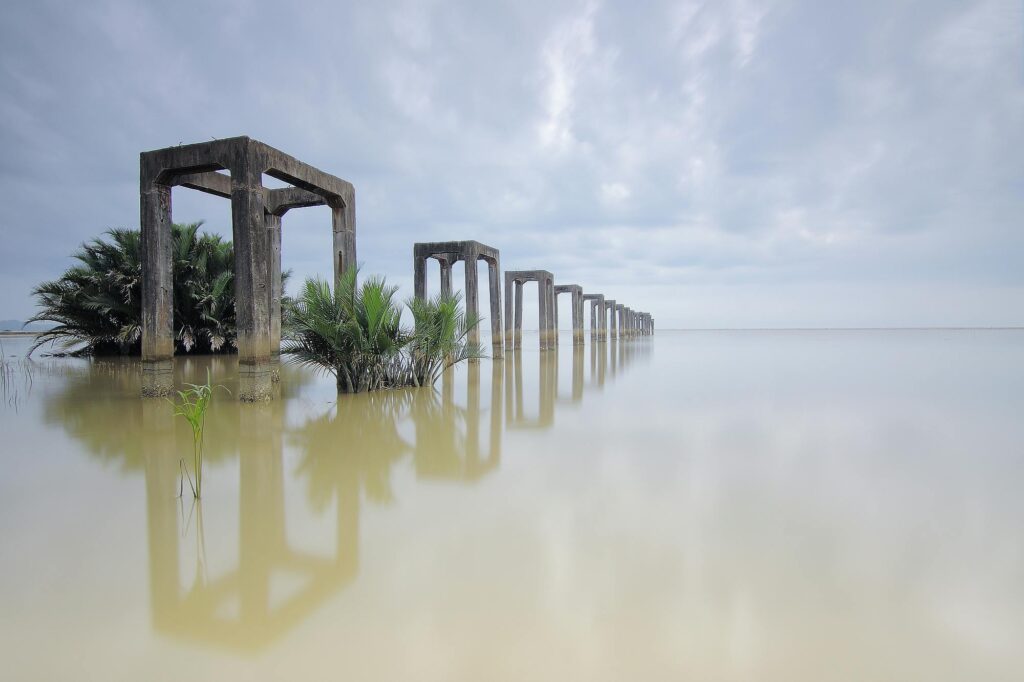
Recently, I visited a flood-affected area in Assam, where the mighty Brahmaputra had once again overflowed its banks. The sight was overwhelming—houses submerged, people carrying their children and belongings through waist-deep water, schools turned into relief camps, and long queues for drinking water and medical help.
What struck me most wasn’t just the damage to land and property—it was the toll on health, dignity, and hope. I met a mother who hadn’t had clean water for days, an old man who had lost his insulin in the rush of evacuation, and children developing fevers from mosquito bites.
This experience made me realize: floods are not just natural events—they are humanitarian emergencies. And as a doctor and public health professional, I knew we needed to talk more about them, especially on this World Environment Day.
🌊 What Are Floods?
A flood is when water overflows onto dry land—often suddenly, destructively, and with devastating impact. It may occur due to heavy rainfall, overflowing rivers, dam failures, storm surges, or melting glaciers.
According to the United Nations Office for Disaster Risk Reduction (UNDRR), floods account for nearly half of all global natural disasters, making them a top environmental and public health concern.
🧭 Types of Floods
Floods come in different forms:
- River Floods – Caused by overflowing rivers, often seasonal.
- Flash Floods – Sudden and fast-moving, typically in hilly terrain.
- Urban Floods – Common in cities due to blocked drains and poor planning.
- Coastal Floods – Triggered by cyclones or sea surges.
- Pluvial Floods – Result from intense rainfall overwhelming ground absorption.
- Dam-Burst Floods – From structural failure or overflow of dams.
📍 Flood-Prone Areas
India:
- 12% of India’s land area is prone to flooding.
- Highly vulnerable states: Assam, Bihar, UP, West Bengal, Odisha, Gujarat
- Major rivers involved: Brahmaputra, Ganga, Kosi, Mahanadi
Globally:
- Flood hotspots include South and Southeast Asia, Africa, Central America, and low-lying regions in the USA and Europe.
🌧️ Why Do Floods Occur?
🌿 Natural Causes
- Heavy rainfall
- Cyclones and storms
- Glacier melts and river overflow
- Sediment blocking river channels
🏗️ Human-Induced Causes
- Deforestation reducing soil absorption
- Concrete urbanization preventing drainage
- Encroachment on wetlands and riverbeds
- Climate change, which causes intense rain and rising sea levels
✅ How to Prevent Floods
Flood prevention strategies include:
- Afforestation and watershed protection
- Desilting of rivers for smoother flow
- Construction of embankments and levees
- Rainwater harvesting
- Urban flood zoning laws
- Installing early warning systems
These are all part of India’s NDMA Flood Management Guidelines.
🛠️ How to Manage Floods
🔄 Preparedness:
- Risk mapping and community drills
- Public awareness campaigns
- Stockpiling food, clean water, and medicines
🆘 Response:
- Timely evacuation
- Rescue with boats, rafts, helicopters
- Emergency shelters and medical stations
🧩 Recovery:
- Restoration of services
- Financial support and housing repair
- Mental health care
- Monitoring for disease outbreaks
⚠️ General Safety: Do’s and Don’ts During Floods
✅ Do’s
- Shift to higher ground early
- Listen to official alerts and evacuate when asked
- Keep essential medicines and clean water
- Help elderly and children to safety
- Use sticks to check water depth while walking
❌ Don’ts
- Don’t walk or drive through moving water
- Don’t return to flooded homes until cleared
- Don’t touch electrical items with wet hands
- Don’t consume food or water touched by floodwaters
🩺 Medical Do’s and Don’ts During Floods
✅ Medical Do’s:
- Boil or chlorinate water before drinking.
- Wash hands frequently with soap or use sanitizer.
- Keep emergency medicines (BP, diabetes, asthma, antiseptics).
- Cover cuts and wounds with waterproof dressing.
- Wear boots and protective clothing to avoid injuries.
- Use mosquito repellents and nets to prevent vector-borne diseases.
- Dispose of waste properly to prevent disease outbreaks.
- Get vaccinated: Tetanus, Hepatitis A, Typhoid.
- Seek medical help early if fever, vomiting, diarrhea, or infection appear.
❌ Medical Don’ts:
- Don’t drink floodwater, even if it looks clean.
- Don’t ignore minor cuts—they can turn serious.
- Don’t consume flood-exposed food.
- Don’t delay routine medication—stock in advance.
- Don’t wade barefoot—high risk of injury or infection.
- Don’t touch electric appliances when wet.
🧪 References
- National Disaster Management Authority (NDMA). Guidelines on Flood Management – https://ndma.gov.in
- NDMA. Urban Flooding Guidelines, 2010
- WHO. Flooding: Health Risks and Precautions
- UNDRR. Human Cost of Disasters 2000–2019
- CDC. Health Precautions During and After Floods
- NIDM (National Institute of Disaster Management). Public Health and Medical Response in Disasters
- Ministry of Health & Family Welfare, India. Flood Disease Control Measures
- India Meteorological Department (IMD). Early Warning Bulletins
- World Bank. Resilient Cities and Urban Flood Risk Management
🌱 Final Word
This World Environment Day, I carry with me the stories and faces I saw in Assam—people battling not just water, but also hunger, illness, and displacement. Floods are not just natural—they’re signals. Signals that we need better planning, better health systems, and most importantly, more respect for the environment.
Let us plant more trees, build more responsibly, and teach our children how to live in harmony with nature—not against it.
Because protecting the Earth isn’t just about saving nature—it’s about saving lives.
